Go (board game)

Go is a strategic board game played with grid lines and black and white stones. Originating in China, it was historically referred to by several names such as "Yi", "Qi", "Shou Tan", and is considered one of the four arts along with the qin (a stringed musical instrument), calligraphy, and painting.

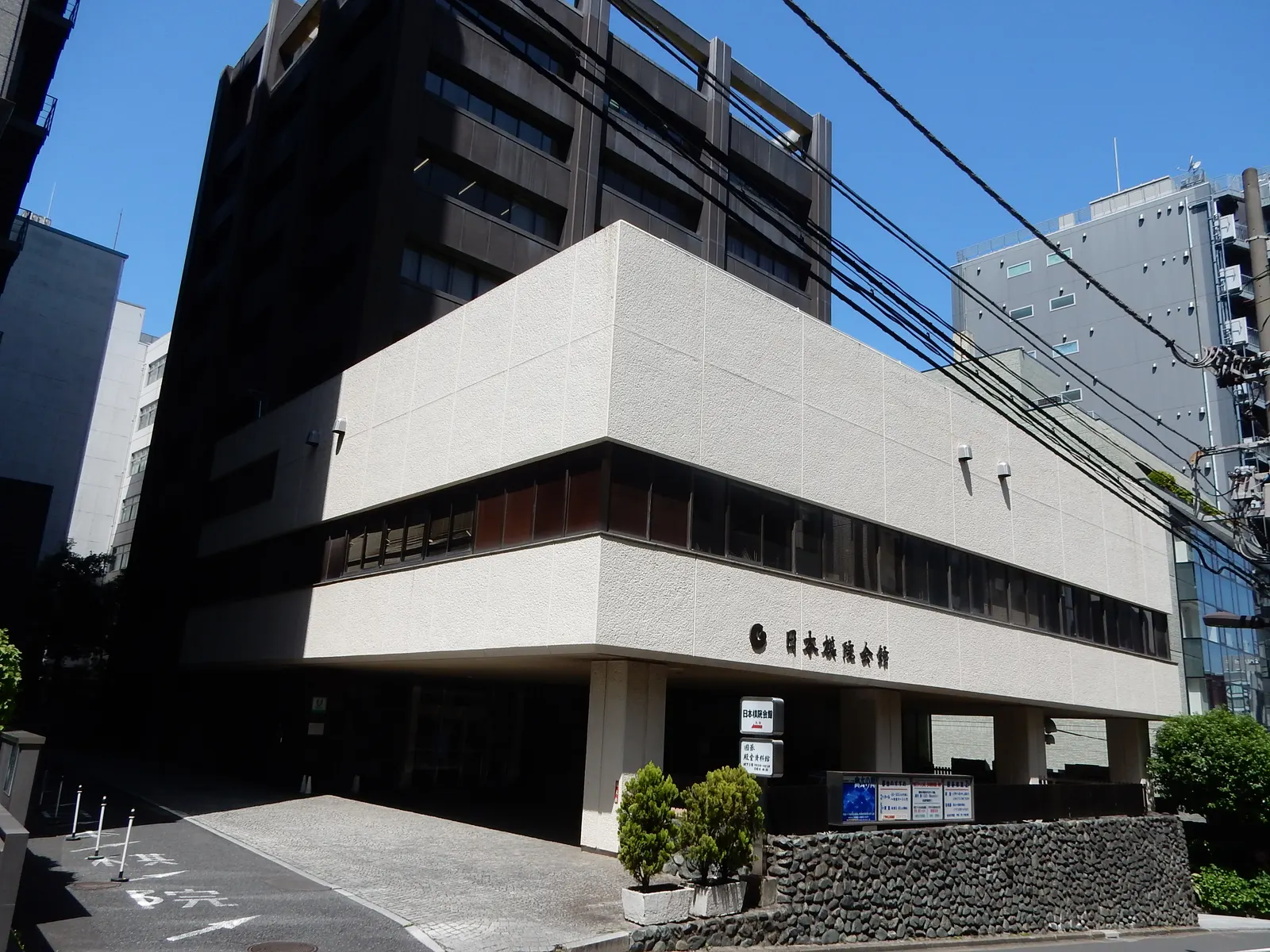
Nihon Ki-in

The Nihon Ki-in (Japanese: 一般公益法人日本棋院/いっぱんこうえきほうじんにほんきいん Ippankōekihōjin Nihon kiin) is Japan's largest Go organization responsible for organizing various Go tournaments. Its headquarters is located in Chiyoda, Tokyo, with branch headquarters in Nagoya and Kansai. Currently, the Nihon Ki-in has about 300 professional players under its jurisdiction.

The Nihon Ki-in was established in 1924, through the merger of the two largest Go organizations at the time, the Honinbo school and the Kiseisha, supported by Okura Kishichiro. After its establishment, the Nihon Ki-in competed with organizations and individuals such as the Ki-sho society, Go Seigen, and the Shin Kiseisha. In 1950, a group of Kansai-based players led by Hashimoto Utaro broke away from the Nihon Ki-in to establish the Kansai Ki-in.

Its affiliated organizations include:

  • Tokyo Headquarters
  • Kansai Main Branch
  • Chubu Main Branch

Nihon Ki-in Title Matches

The seven major Japanese Go tournaments, ranked by prize money, are Kisei, Meijin, Honinbo, Oza, Tengen, Gosei, and Judan. Among them, the three highest prize money tournaments, Kisei, Meijin, and Honinbo, are known as the "Big Three Title Matches". The Kisei title is considered the highest. Holding all three titles simultaneously is referred to as the "Grand Triple Crown". There are many competitions for professional Go players to compete for the crown, but what sets the "Seven Major Tournaments" apart from other competitions?

The biggest feature of the Seven Major Tournaments is that all players can participate, although the method for deciding the challenger varies. The Meijin and Honinbo titles involve a preliminary selection followed by a league. Entering the league already proves that one is a top-class player.

The prize money for the title matches is as follows:

  • Kisei: 45 million yen
  • Judan: 7 million yen
  • Honinbo: 28 million yen
  • Gosei: 8 million yen
  • Meijin: 30 million yen
  • Oza: 14 million yen
  • Tengen: 13 million yen